

Understanding the psychological triggers behind gambling behaviors in a casino environment
The Role of Environment in Gambling Behavior
The atmosphere of a casino is meticulously crafted to enhance the gambling experience, influencing the decisions and behaviors of patrons. Casinos employ a combination of lighting, sound, and layout to create an enticing environment. Bright lights and vibrant colors catch the eye, while the sound of jingling coins and celebratory music generates a sense of excitement. This multi-sensory stimulation can lead to impulsive behavior as the brain becomes flooded with dopamine, the feel-good neurotransmitter that drives the desire to gamble. As you explore different options, consider checking out basketball betting sites for an exciting twist on gaming.
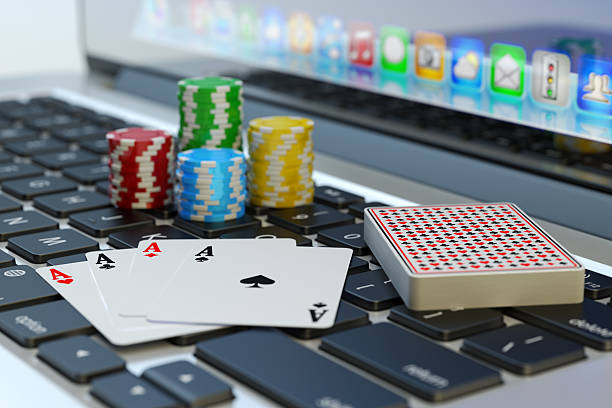
Additionally, the layout of a casino plays a crucial role in directing traffic and influencing behavior. Game stations are strategically placed to maximize visibility and encourage interaction. By positioning popular games near entrances and high-traffic areas, casinos capture the attention of passersby, which can lead to spontaneous gambling decisions. The overall design fosters a sense of urgency and excitement, prompting players to engage with the games in a way they might not have anticipated.
Moreover, the absence of windows and clocks within casinos further enhances this altered state of perception. Patrons may lose track of time, often spending longer hours gambling than they initially intended. This manipulation of the environment capitalizes on human tendencies to become engrossed in enjoyable experiences, illustrating how psychological triggers can lead to prolonged gambling behavior.
The Impact of Cognitive Biases on Gambling Decisions
Cognitive biases significantly influence gambling behaviors, often leading individuals to make irrational decisions. One prevalent bias is the illusion of control, where players believe they can influence the outcomes of games that are purely chance-based, such as slots or roulette. This false sense of mastery can lead to repeated gambling as players seek to validate their perceived skills, thereby increasing the likelihood of continued losses.
Another common cognitive bias is the gambler’s fallacy, which is the belief that past events affect the probabilities of future outcomes. For instance, a player might think that a slot machine is «due» for a win after several losses. This fallacy can result in extended gambling sessions, as individuals cling to the hope that their luck will change, causing them to chase losses rather than recognize the inherent randomness of the games.
These biases are further compounded by the rapid feedback loops associated with electronic gaming machines. Players receive immediate results after each bet, reinforcing the idea that they can control their destiny. This interplay between cognitive biases and the immediate reward system can lead to compulsive gambling patterns, causing individuals to overlook negative consequences in pursuit of momentary gratification.
The Social Aspects of Gambling in Casinos
The social environment of a casino contributes significantly to gambling behavior. People often engage in gambling as a social activity, where the presence of friends or strangers can amplify excitement and enjoyment. Shared experiences in games such as poker or blackjack can create camaraderie, making individuals more inclined to gamble in the company of others. This social element can lead to a sense of belonging, enhancing the overall experience and making it more difficult for individuals to walk away.
Furthermore, the role of peer pressure cannot be underestimated. Individuals may feel compelled to participate in gambling activities to fit in with their social circles, especially when surrounded by enthusiastic players. This need for acceptance can lead to increased gambling as individuals strive to maintain a positive social image, despite potential risks. Casinos often capitalize on this aspect by hosting events and tournaments, which further encourage collective gambling experiences.
Additionally, the availability of free drinks and promotional incentives for groups can enhance the social atmosphere and prolong gambling sessions. These strategies encourage players to stay longer, leading to more significant financial losses as the excitement of the social interaction blends with the thrill of the games. Ultimately, the social dynamics at play in a casino can profoundly impact decision-making processes, pushing individuals further into gambling behaviors.
The Psychological Effects of Winning and Losing
The psychological ramifications of winning and losing in a casino setting can create a compelling cycle that reinforces gambling behavior. Winning, even in small amounts, activates the brain’s reward systems and releases dopamine, fostering feelings of euphoria and excitement. This positive reinforcement can lead players to return to the casino, believing they can replicate their success, despite statistical probabilities indicating otherwise.
Conversely, losing can have a deleterious effect on an individual’s mental state. The desire to recover losses can compel players to gamble more aggressively, a behavior often termed «chasing losses.» This pursuit can lead to escalating bets and deeper financial entanglement, as players become emotionally invested in recouping their losses rather than making rational decisions. The stress and anxiety associated with losing can cloud judgment, leading to reckless behavior and greater financial risks.
This cycle of winning and losing creates a volatile emotional landscape, where the highs of victory contrast sharply with the lows of defeat. The intermittent nature of wins can lead to addictive behavior, as players remember the excitement of winning and are motivated to gamble again in hopes of a similar outcome. Understanding this psychological phenomenon is crucial for recognizing the inherent risks associated with gambling and its potential to escalate into compulsive behavior.

Understanding the Need for Responsible Gambling
Recognizing the psychological triggers that drive gambling behaviors is vital for promoting responsible gambling practices. By understanding the cognitive biases, environmental influences, and social aspects that contribute to gambling, both players and operators can implement strategies to minimize harm. Education on the psychological aspects of gambling can empower individuals to make informed choices, reducing the risk of developing problematic gambling habits.
Furthermore, casinos have a responsibility to create safe environments for players. Implementing measures such as self-exclusion programs, awareness campaigns, and setting betting limits can help mitigate the negative impacts of gambling. By fostering a culture of responsible gambling, casinos can encourage players to enjoy the entertainment value of games without succumbing to the psychological triggers that may lead to excessive behavior.
Ultimately, creating a balanced approach to gambling requires collaboration among individuals, casinos, and regulatory bodies. By prioritizing awareness and education, the gambling community can work toward reducing the risks associated with gambling, ensuring that it remains a fun and enjoyable pastime rather than a source of distress and addiction.